May 19, 2026
Heating, Ventilation, and Air Conditioning (HVAC) systems are integral to maintaining comfort within our homes throughout the year. These systems perform the crucial role of regulating indoor temperatures, ensuring we remain warm during the winter and cool during the summer months. Regular maintenance of HVAC systems is not just about comfort; it also directly impacts energy efficiency, indoor air quality, and the longevity of the equipment. An efficiently running system can significantly lower utility bills, thereby offering financial savings in the long run. Investing in regular HVAC services can mitigate potential issues, ultimately safeguarding the equipment investment and securing the home's comfort.
1. Comprehensive HVAC System Maintenance
1.1. Benefits of Regular Maintenance
Regular maintenance of HVAC systems is crucial for their optimal performance and extended lifespan. By routinely servicing these units, homeowners can prevent unexpected breakdowns that often lead to costly repairs. An efficiently maintained HVAC system contributes to reduced energy consumption, helping to keep utility bills in check. Moreover, it ensures that the system operates at peak efficiency, providing consistent comfort regardless of external weather conditions. Routine maintenance also helps to uphold indoor air quality, essential for the health and well-being of the home's occupants.
1.2. Key Maintenance Tasks
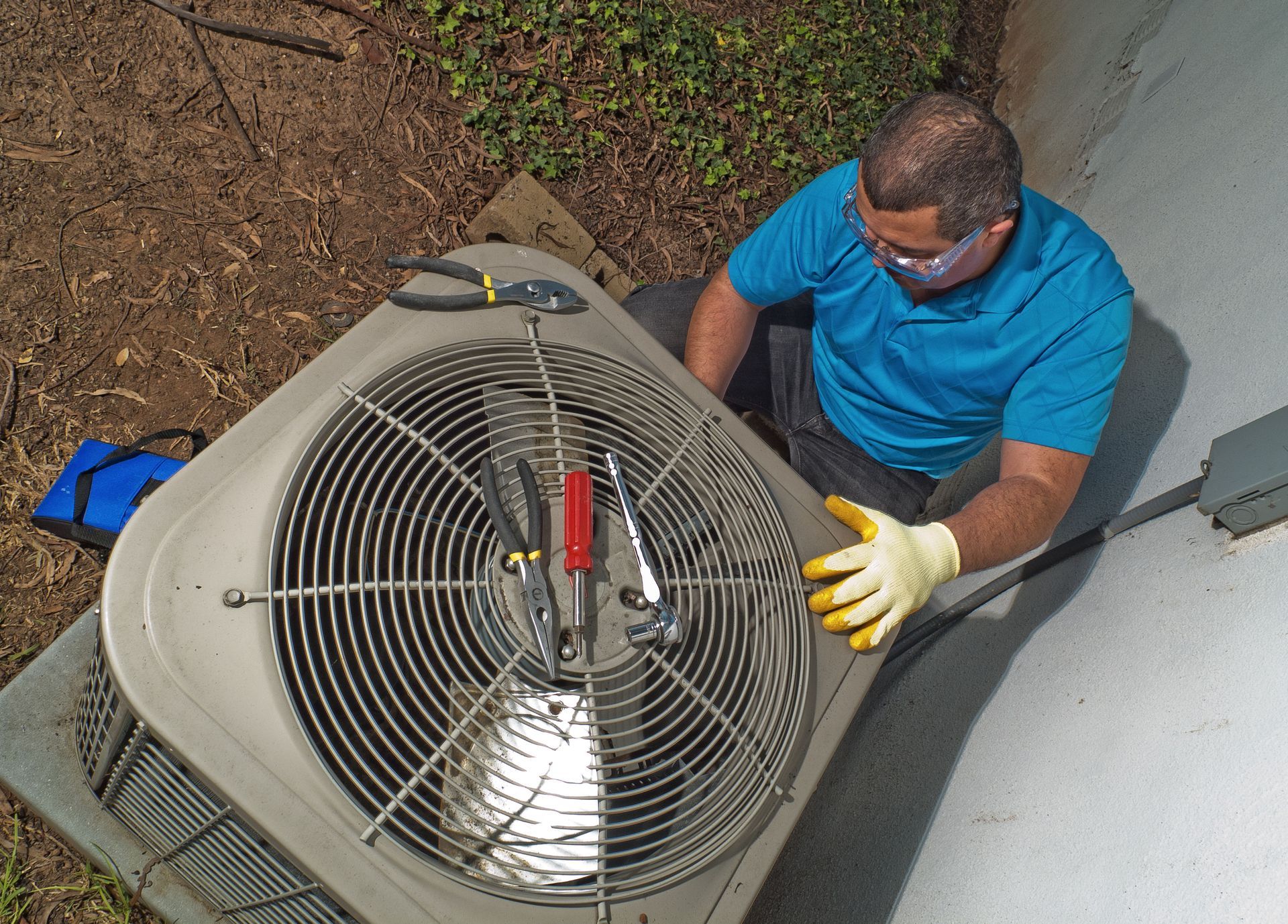
There are several essential tasks involved in HVAC system maintenance that must be performed regularly. One of the primary tasks is changing or cleaning air filters, which should be done every one to three months depending on the system and usage. Checking and cleaning the system's coils, inspecting condensate drains, and examining the thermostat's performance are also crucial elements. Lubricating moving parts and tightening electrical connections help prevent wear and increase the system's efficiency. Additionally, it is essential to test starting and operation cycles to ensure overall system effectiveness.
1.3. Seasonal Maintenance Tips
As seasons change, so do the demands on your HVAC system, making seasonal HVAC services crucial. In the spring, it's important to check the air conditioning system to ensure it operates effectively for the warmer months ahead. During the fall, a thorough inspection of the heating system should be conducted to prepare for the winter months. Regular seasonal checks can prevent unexpected breakdowns during extreme weather conditions. Specifically, ensuring that your AC can effectively manage outdoor heat variations is vital because, according to This Old House, most AC units can only reduce outdoor temperatures by a maximum of 20 degrees inside the home.
1.4. Hiring Professional Maintenance Technicians
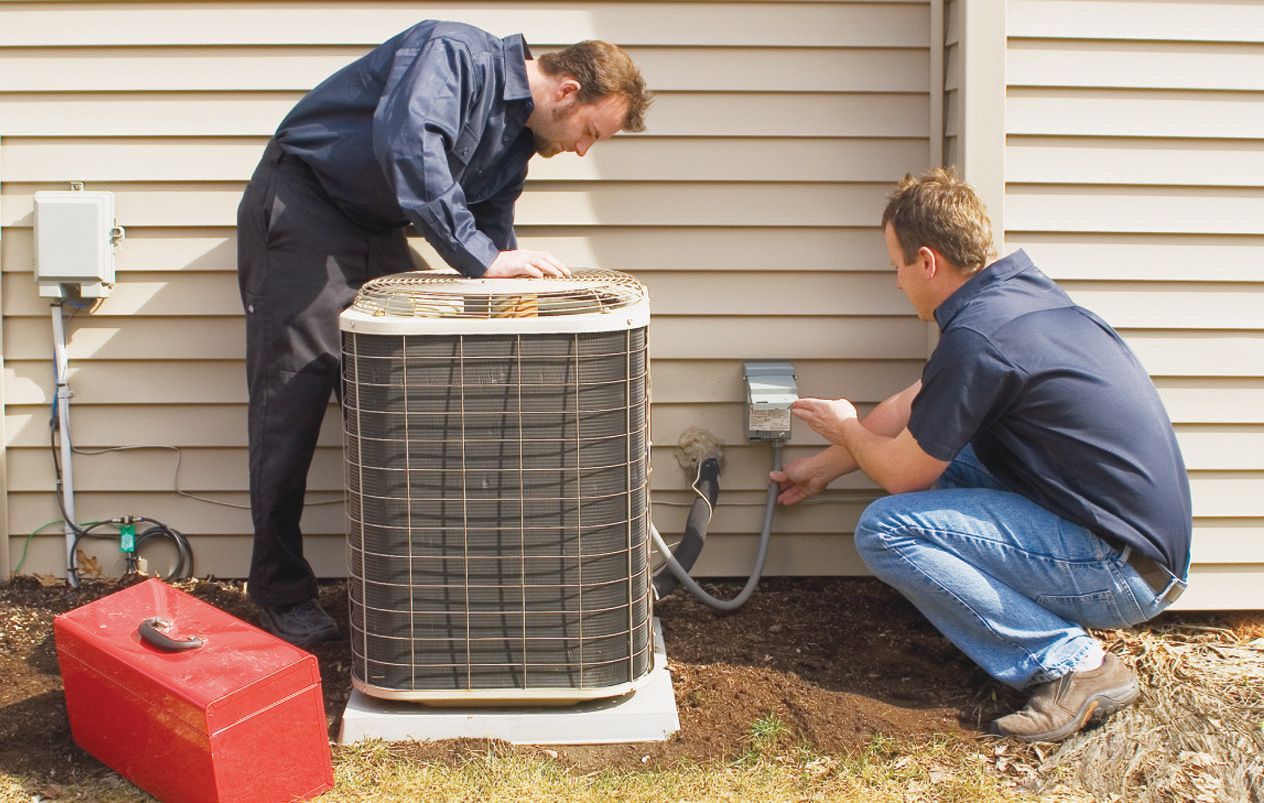
Having your HVAC system professionally maintained is vital for ensuring that it operates at peak performance. Certified technicians can quickly identify and resolve potential issues before they escalate into major problems. Professionals are equipped with the knowledge and tools to carry out thorough inspections and repairs that may be beyond the scope of regular homeowners. Not only does this safeguard the system's efficiency, but it also ensures safety standards are met. Opting for professional HVAC services also provides peace of mind, knowing that your HVAC system is in expert hands.
2. Efficient Heating System Services
2.1. Types of Heating Systems
There are various types of heating systems that homeowners can choose from, each offering distinct benefits. Central heating systems, which use a network of ducts to distribute heat, are among the most common in modern homes. Other popular options include boilers, which circulate hot water or steam through piping, and heat pumps, known for their energy efficiency. Radiant heating systems provide direct heat to floors or ceilings, offering an even temperature distribution. The choice of system often depends on preferences, existing infrastructure, and energy efficiency goals.
2.2. Installation and Replacement Services
Proper installation is critical for the effective and safe operation of heating systems. During installation, specialists ensure the system is appropriately sized to the building's heating requirements, preventing inefficiency and undue wear. Over time, it might become necessary to replace an old or malfunctioning system, often driven by decreased efficiency and rising repair costs. Upgrades to modern, energy-efficient systems may also be considered to take advantage of technological advancements. Professional HVAC services are essential in these processes to ensure compliance with safety regulations and maximize the system's lifespan.
2.3. Common Heater Problems and Solutions
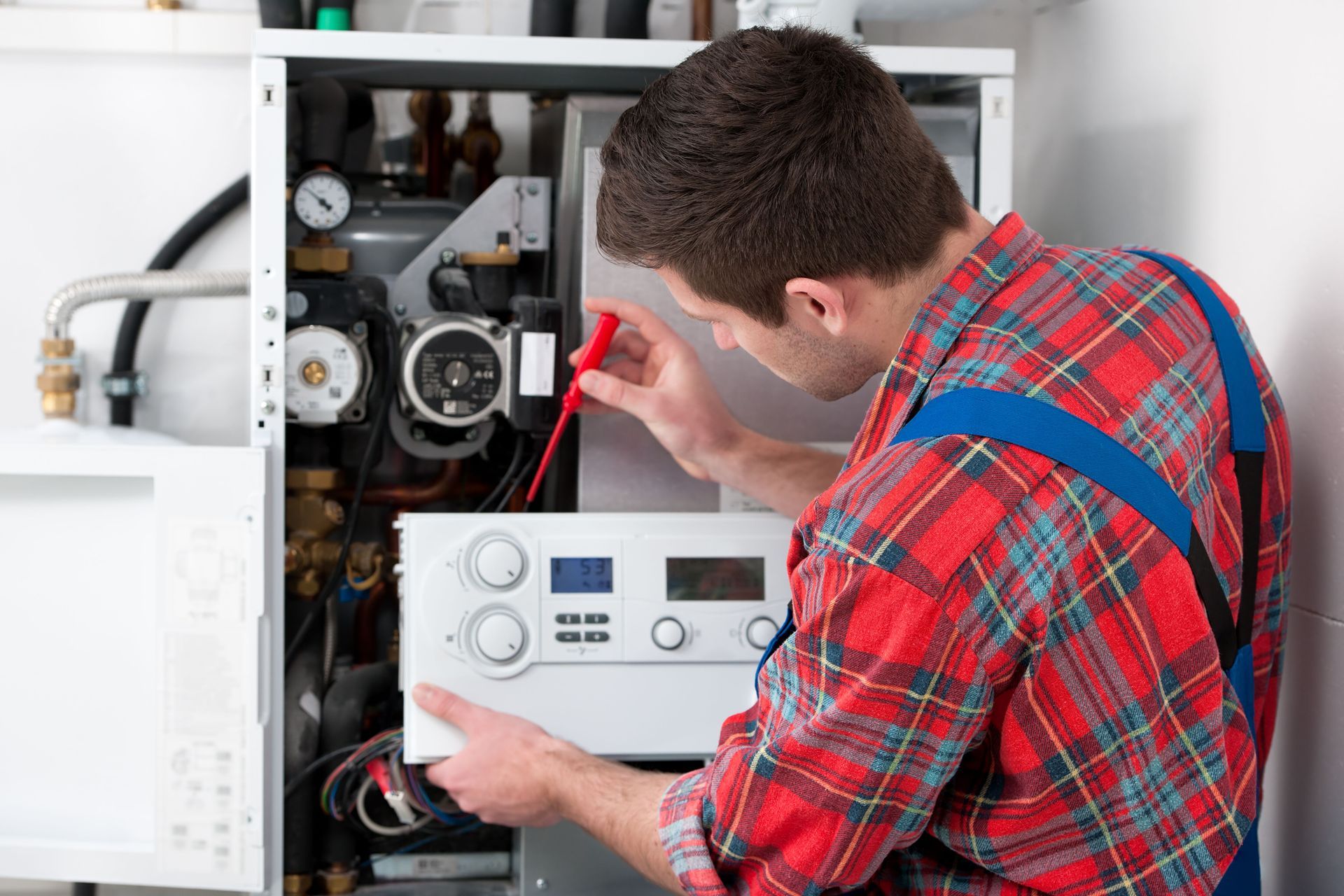
Heating systems can encounter various common issues that disrupt comfort and efficiency. Problems like uneven heating, frequent cycling, or unexpected noises often indicate underlying issues that require attention. Malfunctioning thermostats, clogged filters, and motor failures are frequent culprits. Regular maintenance and timely repairs can prevent these problems from escalating. Solutions typically include thermostatic adjustments, filter replacements, and professional mechanical inspections.
3. Air Conditioning Services
3.1. Types of Air Conditioning Systems
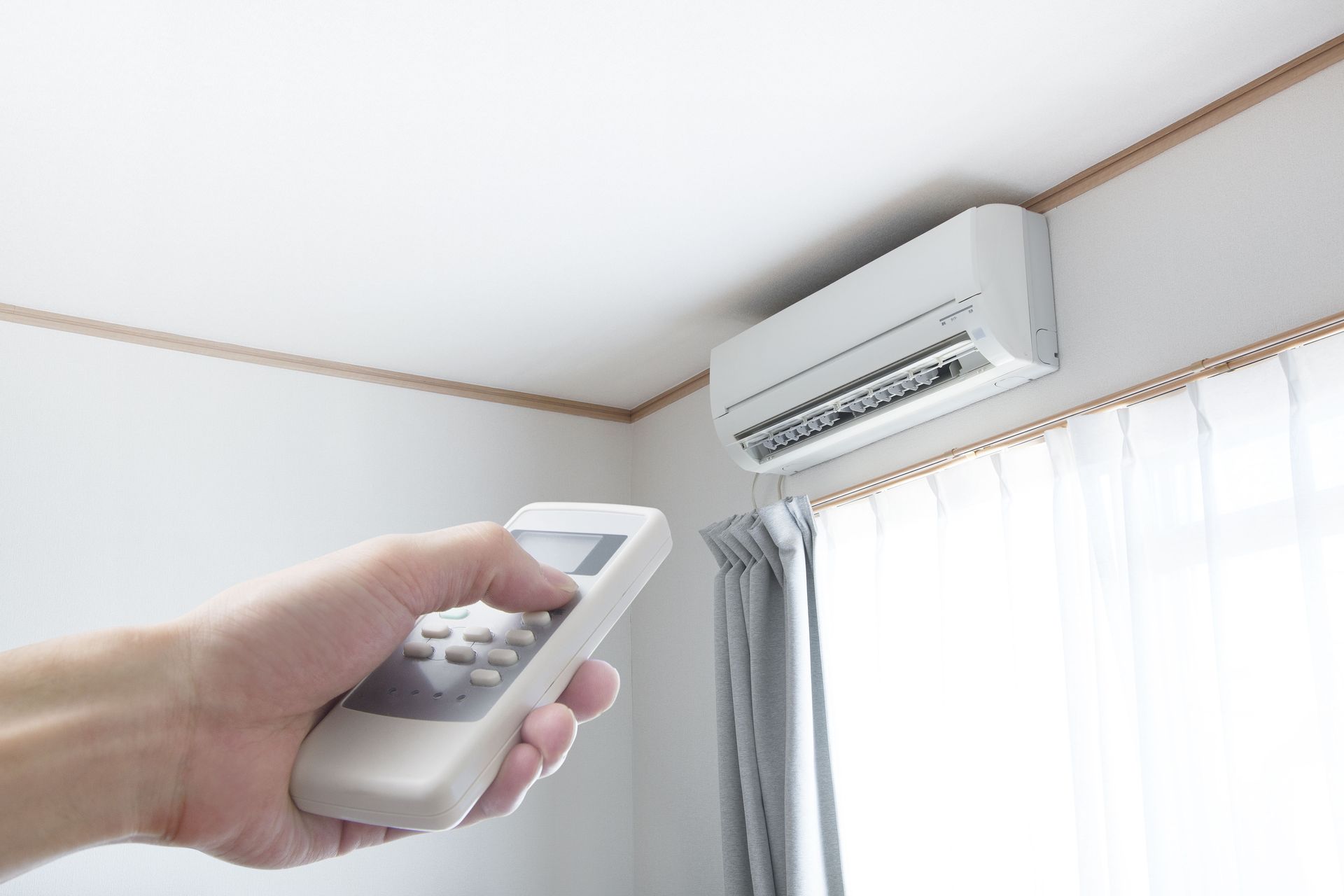
Air conditioning systems come in several configurations, each serving different cooling needs. Central air conditioning systems are prevalent, distributing cool air throughout a home via ductwork. Split systems offer flexibility, combining an indoor and outdoor unit, often ideal for homes lacking ductwork. Window units are a cost-effective solution for single rooms or small apartments. Portable air conditioners, requiring no permanent installation, provide additional cooling flexibility. Choosing an appropriate system depends on factors including budget, space requirements, and energy efficiency considerations.
3.2. Installation and Repair Services
Professional installation of air conditioning systems is crucial to ensure efficient and effective cooling. A correctly installed system reduces energy consumption, minimizes breakdowns, and maximizes equipment lifespan. Over time, even the most reliable systems may develop issues that call for repair services. Common repair needs include addressing refrigerant leaks, repairing electrical components, and replacing faulty compressors or fans. Regular tuning and timely repairs help maintain system performance and prolong its service life.
3.3. Troubleshooting Cooling Problems
There are several common problems that can hinder the performance of air conditioning systems. Poor cooling efficiency, strange noises, and unexpected shutdowns are frequent concerns. Such issues often stem from clogged filters, refrigerant leaks, or electrical malfunctions. Troubleshooting involves a systematic approach to identify and resolve these issues, often starting with visual inspections and the assessment of air flow. When internal components are suspected to be faulty, professional diagnostics and repairs are recommended.
4. Ventilation and Air Quality Services
4.1. Understanding Home Ventilation
Home ventilation is a pivotal element of indoor climate control and air quality management. Effective ventilation helps dilute airborne pollutants, moisture, and odors, maintaining a healthy indoor environment. A well-designed ventilation system can assist in maintaining comfortable temperatures and reduce the strain on heating and cooling equipment. Furthermore, fresh air exchange through ventilation systems significantly improves the quality of the air we breathe indoors. Understanding its importance highlights why ventilation should never be overlooked in comprehensive HVAC planning.
4.2. Installing and Maintaining Ventilation Systems
The installation and maintenance of ventilation systems are crucial for ensuring indoor air quality and comfort. Proper installation involves positioning to maximize airflow and minimize energy waste, aligning with the specific layout of the home and the prevailing climatic conditions. Routine maintenance tasks such as cleaning filters and ductwork, and checking exhaust fans, are integral to system efficiency. These proactive measures help prevent the accumulation of pollutants and potential mechanical failures. Ultimately, maintaining a well-functioning ventilation system supports both health and comfort.
4.3. The Role of Duct Cleaning
Neglecting duct cleaning can compromise HVAC efficiency and indoor air quality significantly. Dust, debris, and allergens can accumulate within ductwork, impeding air flow and placing additional stress on the system. Regular duct cleaning ensures that the air circulated throughout the home remains clean and the system performs efficiently. Additionally, clean ducts prolong the life of HVAC components by reducing the operational burden. Engaging professional HVAC services for duct cleaning is generally recommended to ensure thoroughness and effectiveness.
Maintaining a comfortable and energy-efficient home all year round requires diligent focus on HVAC services. From comprehensive maintenance and efficient heating options to advanced air conditioning and smart technologies, each service aspect plays a critical role. With the guidance of qualified professionals and knowledgeable service providers, homeowners can ensure their HVAC systems provide optimal comfort and air quality. Looking forward, embracing advancements in smart technology will further facilitate sustainable home comfort solutions. If you're looking for reputable HVAC services, contact Hi-Desert Air Inc today.