September 17, 2026
As technology continues to evolve, the importance of reliable climate-control systems within our homes and commercial workplaces becomes increasingly evident. High-quality heating and cooling units ensure efficient daily operation, contributing significantly to our overall comfort and safety during extreme weather. In this changing landscape, where environmental concerns and mechanical advancements are pivotal, professional HVAC services remain crucial to maintaining optimal performance and advancing long-term designs.
The dynamic nature of modern cooling and heating technology means that structures everywhere must adapt to strict energy standards and rising expectations. These rigid demands create a robust market for dedicated professionals who cater to routine seasonal maintenance and complex innovation. As climate-control systems advance, the specialized skills of dedicated technicians must also progress, ensuring a steady demand for their expertise in managing safe indoor environments.
Evaluating Early Systems and Innovations
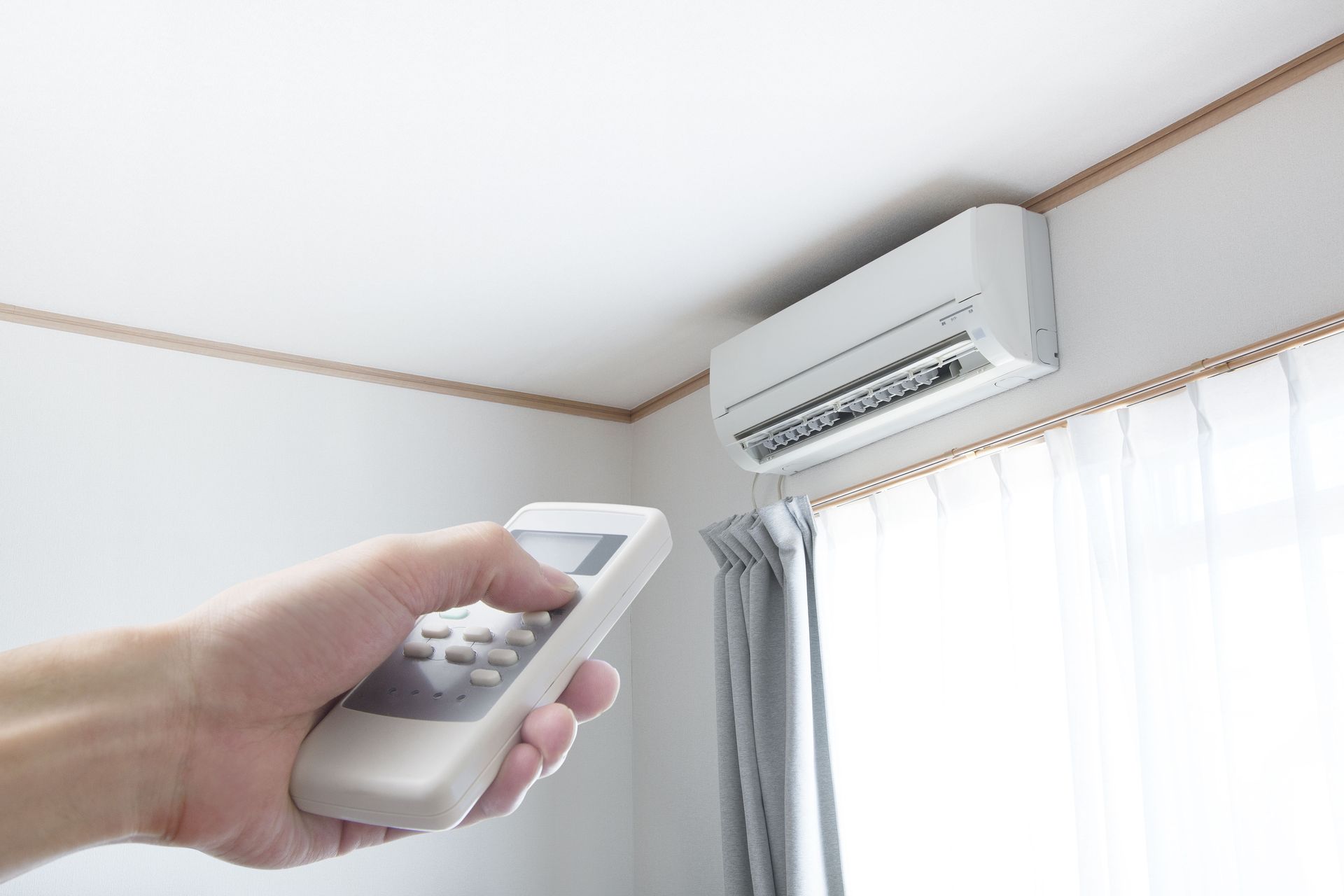
The rich history of climate management is a profound testament to human innovation in creating comfortable, safe living environments. Initially, basic temperature control was the primary goal, but ongoing mechanical advancements have completely redefined these rudimentary setups into critical components of modern infrastructure. The major transition from simple standalone window units to highly integrated ductless mini-split systems reflects a broader industrial shift. As these monumental changes occurred, the distinct need for highly skilled technicians to manage and maintain increasingly complex equipment became entirely apparent.
Throughout history, cooling and heating units have gradually become a crucial aspect of overall building sustainability and structural integrity. Today, seasoned technicians frequently install sophisticated air filtration systems, powerful humidifiers, and heavy-duty evaporative cooling setups that greatly improve indoor air quality. Because modern buildings require much more advanced climate management, the historical foundation of these units continues to influence future mechanical improvements. The role of HVAC services has expanded dramatically over the past few decades, ensuring that the fundamental need for trained professionals remains incredibly strong.
Improving Environmental Efficiency and Sustainability
Environmental efficiency has rapidly become a major driving force in the continued evolution of climate-control technology. Current innovations in this field focus heavily on reducing energy consumption while maximizing mechanical performance, which directly helps lower monthly utility expenses. High-efficiency heat pumps and forced-air furnaces are designed with advanced compressors and improved refrigerants that manage energy use with remarkable effectiveness. These mechanical enhancements position HVAC services as essential partners in achieving energy conservation goals and ensuring these machines work to their full potential.
Product developers continually incorporate energy-saving mechanical improvements, such as variable-speed motors, into modern air conditioning and heating units. These mechanisms adapt to specific environmental conditions, thereby optimizing energy consumption smoothly and passively. Consequently, the industry has shifted toward sustainable mechanical solutions that require dedicated professional support for proper initial installation and routine seasonal tune-ups. This unwavering commitment to energy conservation reflects broader societal goals of reducing carbon footprints, ensuring continued reliance on experienced technicians to implement and oversee cleaner living practices.
Installing Renewable Systems and Alternatives
The push for renewable energy alternatives reflects a global commitment to reducing dependency on fossil fuels and mitigating environmental harm. Solar-assisted air conditioners and geothermal heat pumps have gained traction, presenting sustainable, reliable options that hinge on natural energy sources. These units convert ambient natural energy into reliable heating and cooling relief, drastically decreasing the carbon footprint of a residential property. As renewable technology becomes more prevalent, the specialized expertise required to properly service such setups grows exponentially.
The ongoing development of equipment powered by alternative resources requires a comprehensive understanding of both traditional combustion mechanics and contemporary environmental conservation strategies. This dual expertise promotes an enduring need for seasoned professionals, inviting training and skills development to blend conventional knowledge with eco-friendly innovation. Implementing renewable power is not merely a mechanical challenge, but it is also a strategic endeavor to meet regulatory frameworks. Because skilled specialists are integral to this transition, HVAC services will consistently be required to ensure smooth mechanical adaptation and reliable daily operation.
Managing Complex Mechanics and Components
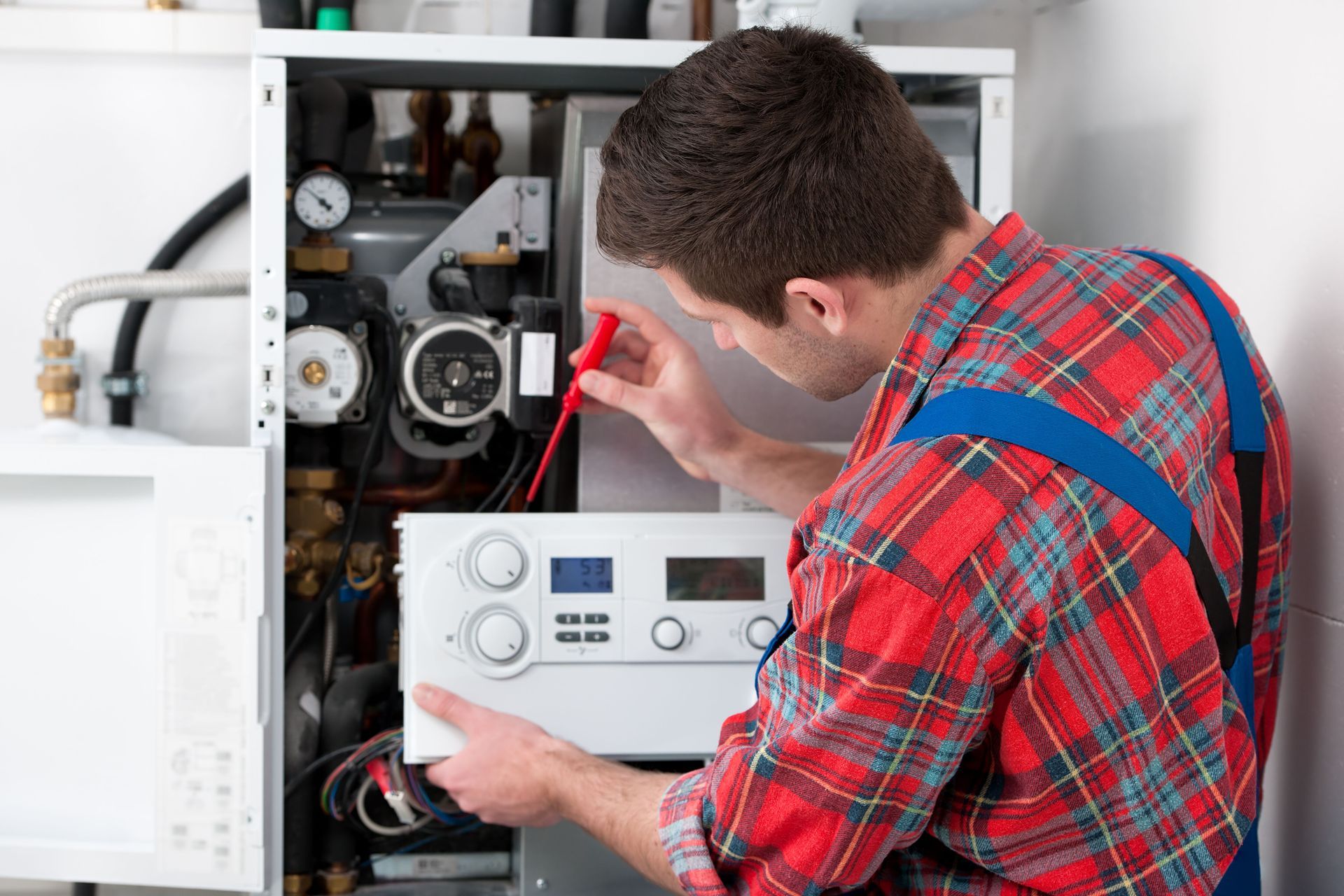
The structural intricacy of modern climate-control units heightens the industry's need for comprehensive repair and precise diagnostic solutions. Today's equipment encompasses intricate parts, such as variable refrigerant flow mechanisms and custom ductwork, each requiring precise calibration and professional oversight. As these mechanical complexities rise, so does the necessity for specialized intervention to guarantee that all setups operate reliably. Skilled technicians are crucial, reinforcing the essential role of professional upkeep in preserving equipment integrity amid manufacturing advancements.
As cooling and ventilation machinery expands in complexity, professionals are required to navigate mechanical challenges, from integrating advanced air purifiers to managing evaporative coolers. Acquiring technical knowledge across multiple domains is imperative for delivering thorough support. This demand drives job growth across the sector. According to the U.S. Bureau of Labor Statistics, the number of employed mechanics and installers in this field is expected to grow from roughly 425,200 in 2024 to 459,700 by 2034, marking an expansion of approximately 34,500 jobs. The requirement for expert labor solidifies the sustainability of the profession.
Executing Preventive Maintenance and Upkeep
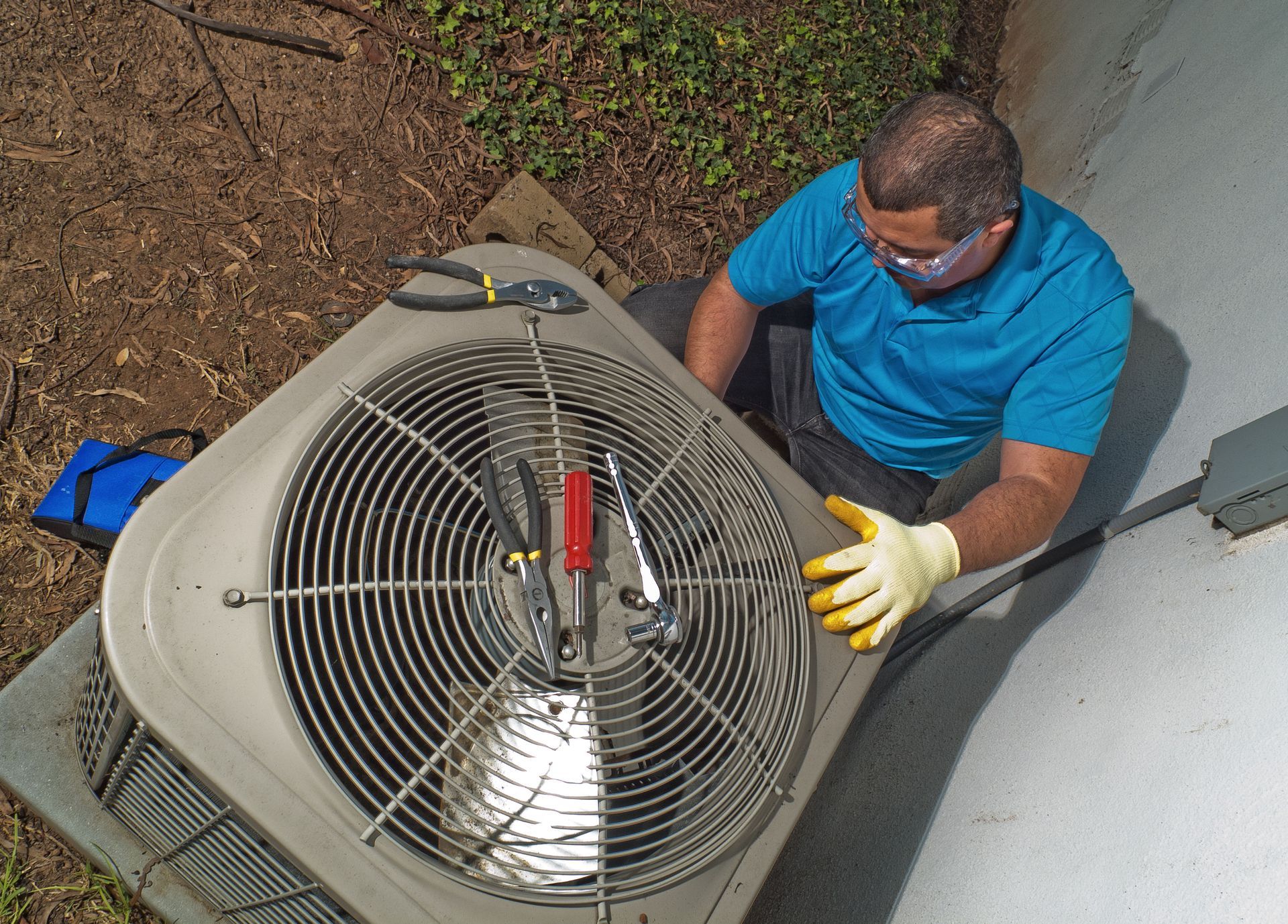
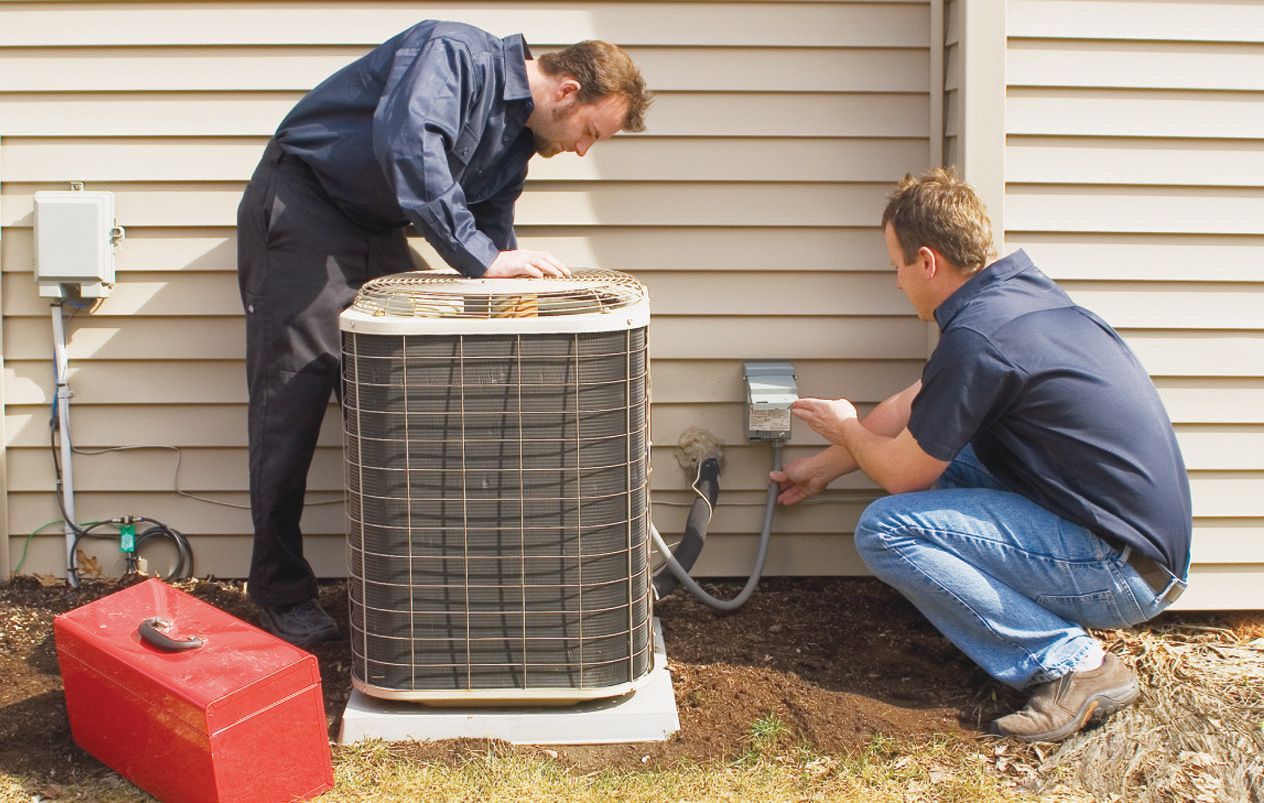
Consistent and proactive maintenance plays a pivotal role in preserving optimal functionality and minimizing wasted energy throughout the year. Preventive service schedules allow for the identification and rectification of potential mechanical concerns before they escalate into component failures, effectively preventing system breakdowns and extending the operational lifespan of the equipment. This routine seasonal upkeep involves inspecting internal parts, replacing dirty air filters, and clearing ventilation channels. Through these checkups, homeowners rely on consistent HVAC services to safeguard their investments.
The benefits of committed preventive practices resonate by promoting energy conservation and reducing the stress associated with emergency repairs. Scheduled checkups enhance interior air quality and structural safety, contributing to healthier building environments that benefit occupants. By establishing a culture of preemptive mechanical care, industry professionals mitigate the risks associated with neglected machinery. With regular tuning positioned as an indispensable requirement for property owners, the industry can anticipate a sustained need for reliable mechanical support.
Addressing Extreme Climates and Temperatures
The onset of shifting weather patterns has introduced new variables into the climate-control domain, with rising global temperatures highlighting the need for robust cooling solutions. As average outdoor temperatures continue to climb, property owners face a need for machinery to deliver relief and mechanical resiliency in both residential and commercial contexts. This heightened demand emphasizes the significance of responsive HVAC services capable of accommodating fluctuating environmental conditions while maximizing cooling output.
Regions previously characterized by moderate seasons now encounter intense heatwaves and abrupt cold snaps. Adaptive air conditioning units and furnace systems that are capable of managing these temperature fluctuations have become vital in maintaining building integrity and human safety. This environmental evolution necessitates innovative mechanical designs that incorporate flexibility to handle sudden weather shifts. Enhanced performance becomes paramount as individuals look toward skilled professionals to deliver enduring and robust installations.
The continuous evolution of heating and cooling technology ensures that expert mechanical support will never become obsolete. From the implementation of high-efficiency furnaces to the tuning of ductless mini-split systems, knowledgeable technicians will remain at the forefront of indoor climate management. As environmental standards tighten and global weather patterns become more extreme, property owners will increasingly rely on professional HVAC services to maintain safe, comfortable, and energy-conscious living spaces. The intersection of improved machinery and routine maintenance guarantees a thriving future.
Embracing these advancements requires partnering with an experienced team that understands the nuances of modern equipment and climate challenges. We are dedicated to providing the highest level of care for all your heating, cooling, and air quality needs. If you are ready to upgrade your equipment or simply need a thorough seasonal tune-up, contact us at Hi-Desert Air Inc to schedule an appointment today.